Healthy Living How a Home Can Boost Your Well-Being
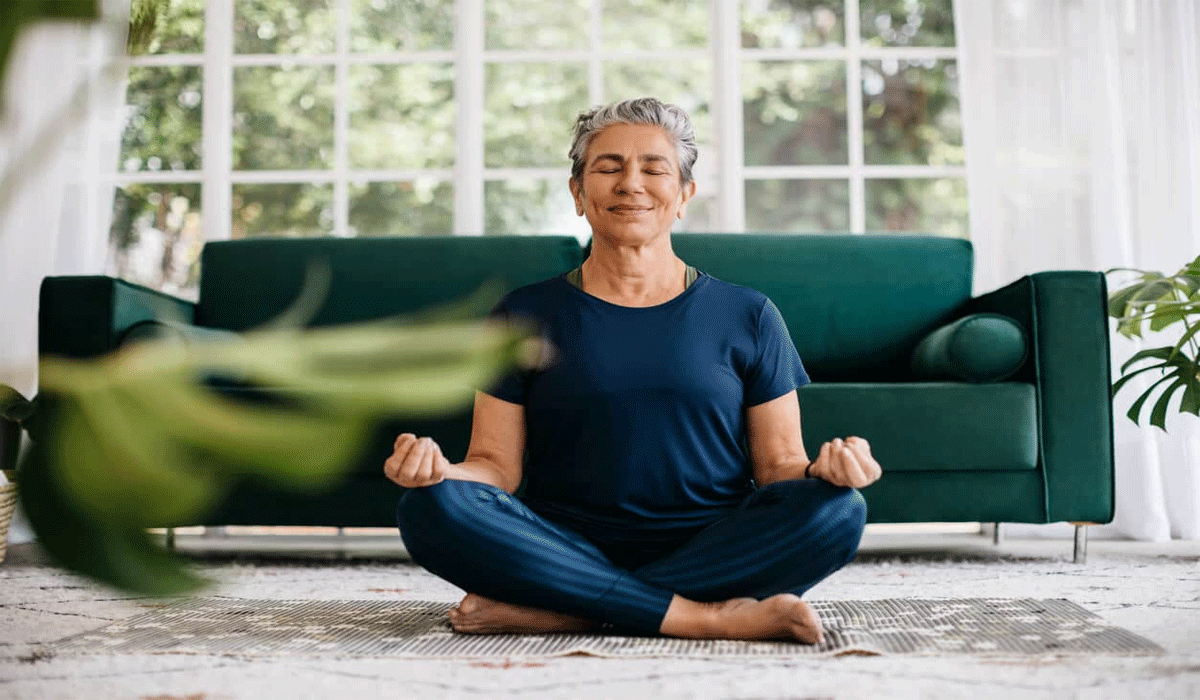
A home is more than just a place to stay; it’s a reflection of your lifestyle, a source of energy, and a sanctuary where comfort meets well-being.
The right design can support not only comfort but also physical and mental health. From natural lighting to functional layouts, modern luxury homes are increasingly seen as tools for creating a balanced and healthy life. Below THE LUXURY OF A HOME will discuss how various aspects of a luxury home contribute to overall well-being.
Sunlight for Energy and Mood
Natural light is one of the simplest ways to improve health and mood. Luxury homes often feature large windows, skylights, and open layouts to let sunlight in throughout the day. Morning sun exposure helps the body produce vitamin D, which supports bone health and boosts energy levels naturally. It also regulates sleep patterns, making it easier to wake up refreshed and stay active.
Bright spaces have a powerful effect on mental health. Rooms filled with daylight reduce stress and increase focus, making daily activities more productive. People living in well-lit environments often feel happier and more motivated.
Clean Air and Ventilation
Air quality plays a crucial role in health. Luxury homes often come with advanced ventilation systems that keep air circulating and fresh. Proper airflow helps remove dust, allergens, and other pollutants, reducing the risk of respiratory problems. Some homes even feature humidity controls to maintain comfortable indoor climates.
Good air quality supports heart and lung health and prevents chronic fatigue or headaches. Many luxury homes also include high-tech air filters that remove microscopic particles, ensuring the environment stays clean and safe. With optimal ventilation, residents can enjoy the benefits of fresh, healthy air without leaving the comfort of their home. Clean air enhances energy, concentration, and overall well-being daily.
Read Also: Style Evolution: Navigating Trends, Identity, and Creativity
Green Spaces and Connection to Nature
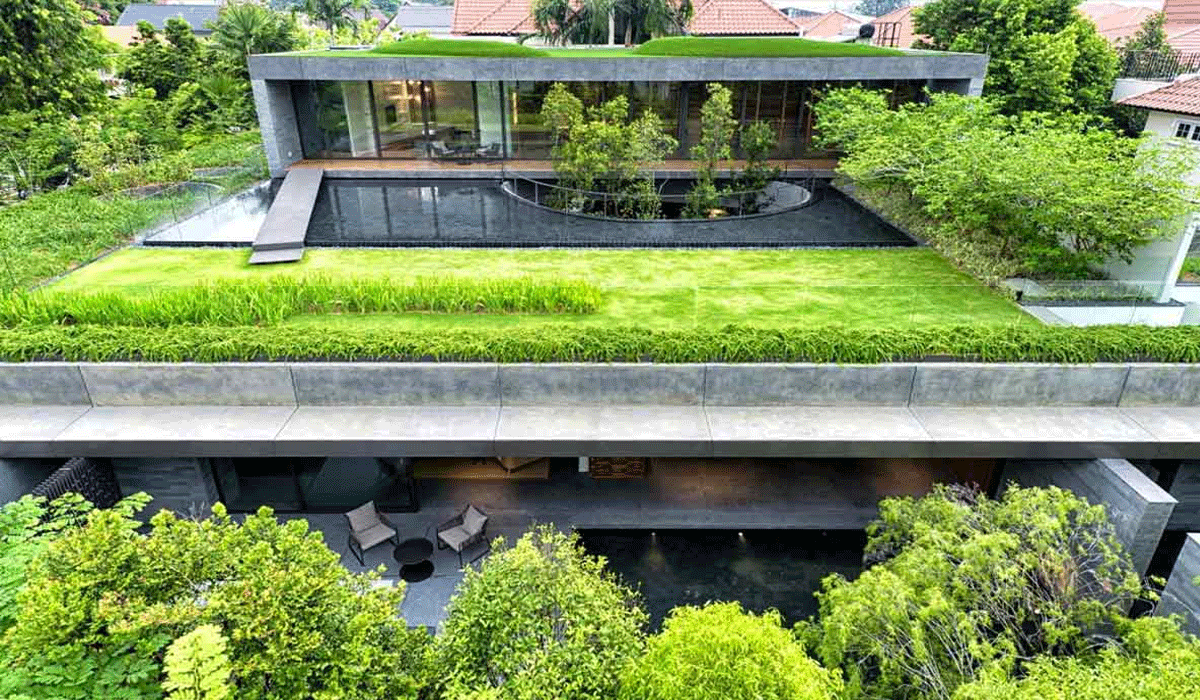
Incorporating greenery into a home is both beautiful and beneficial. Private gardens, terraces, or indoor plants improve air quality and provide a calming presence. Simple activities like gardening can be gentle exercise, reduce stress, and boost mental clarity.
Natural spaces offer peaceful retreats for relaxation or meditation. Being close to plants and natural elements helps residents feel grounded, lowers anxiety, and encourages positive thinking. Luxury homes that integrate green areas allow residents to enjoy the benefits of nature without leaving home. This connection with the outdoors transforms a house into a sanctuary for mind and body.
Home Fitness and Physical Activity
Private gyms, swimming pools, and yoga studios are now common in luxury homes. These spaces make it easy to exercise regularly without traveling to a fitness center. Consistent activity improves heart health, builds strength, and enhances flexibility.
A thoughtfully designed fitness space also makes workouts enjoyable. Comfortable, aesthetically pleasing areas encourage daily exercise as a natural habit rather than a chore. By combining fitness and home design, luxury homes support a lifestyle that balances indulgence with health. Physical activity becomes an effortless part of daily life.
Relaxation and Mental Balance
Mental wellness is a key focus in modern luxury homes. Quiet lounges, libraries, or spa-like bathrooms give residents space to unwind and recharge. Calm environments can lower blood pressure, reduce stress, and improve sleep quality.
Interior design plays a role in relaxation. Soft colors, natural materials, and minimal clutter create therapeutic spaces that soothe the mind. Luxury homes are no longer just living spaces they’re personal wellness hubs. By combining comfort, beauty, and thoughtful design, a home can truly support a healthy, balanced life.
To get inspiration for creating a healthy and luxurious home, you can explore ideas from trusted design platforms such as THE LUXURY OF A HOME.
Image Source:
- First Image from www.woosterhospital.org
- Second Image from www.arsitag.com