The Role of Empowerment in Reducing Social Inequality

Citizen empowerment reduces social disparities through equitable access to jobs, and inclusive businesses for everyone across local sectors.
Empowerment is the process of increasing the ability of individuals and communities to become economically, socially and sustainably independent in order to reduce disparities in society. Below, THE LUXURY OF A HOME will discuss various important aspects that demonstrate the role of this strategy in reducing social inequality.
The Importance of Equal Access to Education
Equal access to education is a key foundation for reducing social inequality across all levels of society. Through empowerment, communities with previously limited opportunities can acquire new skills relevant to the needs of the times. Education not only increases knowledge but also opens up broader and more stable employment opportunities.
For example, free vocational training programs for low-income families have been shown to improve living standards within a few years. When the quality of education is equitable, social mobility becomes more likely. This helps break the chain of structural poverty that is often passed down from generation to generation. Therefore, investing in inclusive education must be a shared priority between the government, the private sector, and local communities.
Strengthening the Local Community Economy
Community-based economic empowerment has proven effective in narrowing the welfare gap between social groups. The empowerment approach encourages communities to manage local potential independently and sustainably. For example, micro-entrepreneurs who receive financial management training and access to capital tend to be able to survive longer in the market.
As the local economy grows, the multiplier effect is also felt in the absorption of labor in the surrounding area. Furthermore, the modern cooperative model provides a more equitable space for collaboration than an overly centralized economic system. With the right strategy, communities become not only recipients of aid but also active actors in inclusive and crisis-resilient economic development.
Also Read: More Than Just A Place To Live: A New Definition Of Today’s Home Luxury
The Role of Inclusive Public Policy
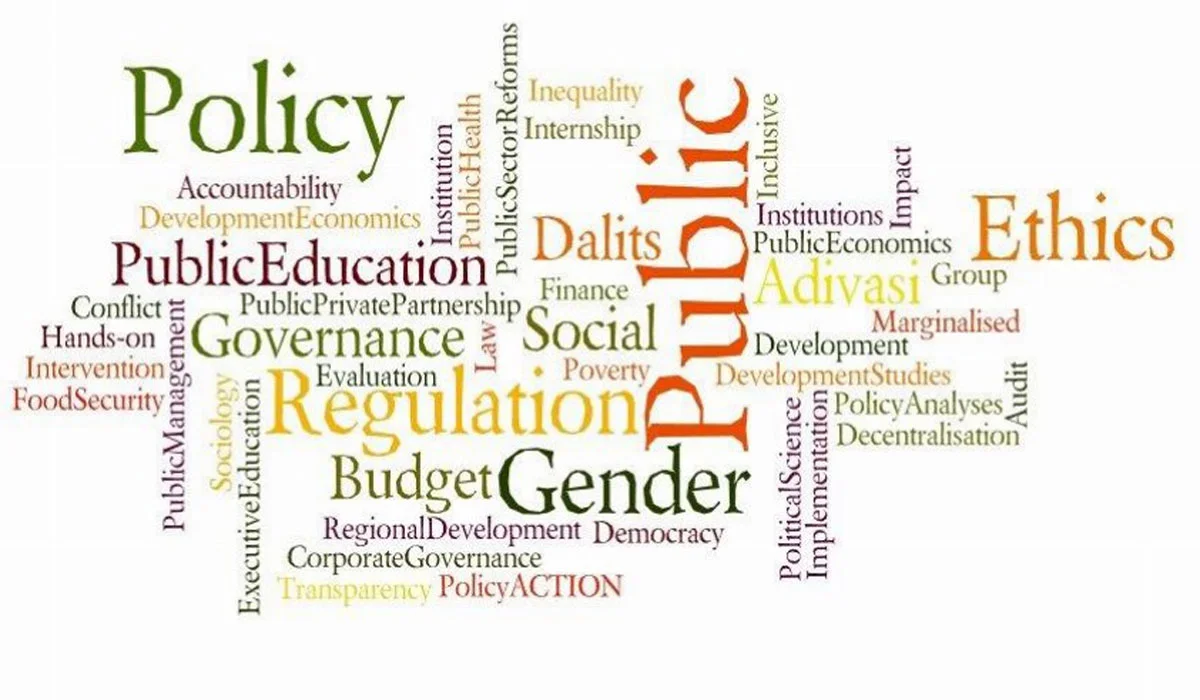
Public policies designed inclusively have a significant impact on reducing systemic social disparities. Through an Empowerment approach, the government can ensure that social programs truly reach vulnerable groups, not just the well-off. For example, targeted subsidies based on integrated data help poor families meet basic needs without long-term dependency.
Regulations that support small businesses can also broaden income distribution more equitably. Without policies that are sensitive to inequality, efforts to reduce inequality are often slow and inconsistent. Therefore, synergy between policy planning, implementation monitoring, and data-driven evaluation is key to the success of more equitable development.
Increasing Community Social Participation
Active community participation is a crucial element in creating sustainable social change. Empowerment strategies encourage residents to be directly involved in decision-making processes that affect their lives. For example, inclusive village deliberation forums can produce more targeted development programs. When communities feel they have a voice, trust in institutions increases.
Furthermore, community involvement strengthens social solidarity, a crucial foundation for development. Without broad participation, many social programs are ineffective because they don’t reflect the needs of the community. Therefore, building a collaborative culture between the government and citizens is a strategic step to accelerate equitable prosperity.
Collaboration for Sustainable Impact
Efforts to reduce social inequality cannot rely on a single party but require cross-sector collaboration. An empowerment approach involving the government, the private sector, educational institutions, and civil society organizations has been proven to produce more lasting impacts. For example, business incubation programs supported by large corporations can accelerate the growth of new entrepreneurs from vulnerable groups.
Collaboration also enables a more efficient exchange of resources, technology, and knowledge. When multiple parties work toward a common vision, the resulting benefits are much broader in scale. With consistent and transparent coordination, social equity efforts can be more rapid, measurable, and sustainable in the long term.
Image Source:
First Image from: outreach-international.org
Second Image from: amity.edu