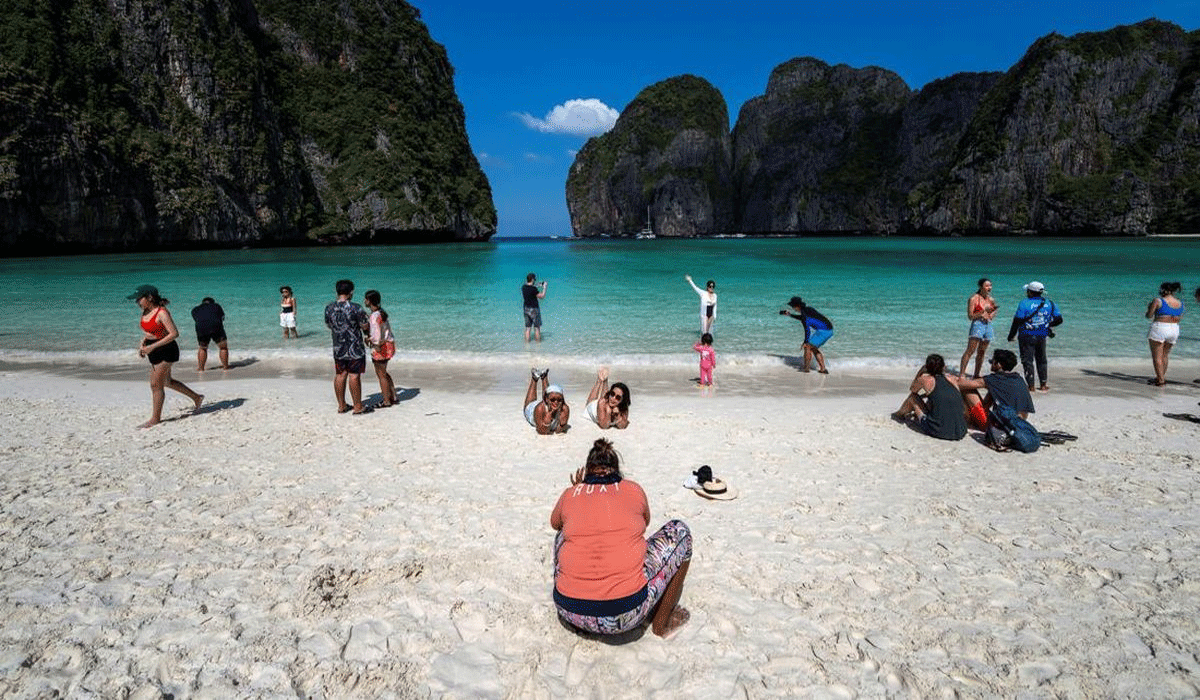
Budget Travel Tips How to See the World Without Breaking the Bank
Traveling the world doesn’t have to be expensive or reserved only for those with large budgets.
With careful planning, smart choices, and a flexible mindset, anyone can explore new destinations without overspending. This guide offers practical strategies to help you travel affordably while still enjoying meaningful and memorable experiences THE LUXURY OF A HOME.
Plan Ahead and Stay Flexible
Planning ahead is one of the most effective ways to reduce travel costs. Booking flights and accommodations early often secures better deals and more options. It also allows you to compare prices and avoid last-minute expenses that can quickly add up.
Flexibility plays a major role in saving money. Traveling during off-peak seasons or midweek can significantly lower costs. Prices for flights and hotels tend to drop when demand is lower, giving you better value for your money.
Being open to alternative destinations can also help. Instead of focusing only on popular tourist spots, consider nearby or lesser-known locations. These places often offer similar experiences at a fraction of the cost, making your trip both unique and affordable.
Choose Budget-Friendly Transportation
Transportation can take up a large portion of your travel budget, so choosing wisely is essential. Look for low-cost airlines, compare ticket prices, and consider using fare alerts to find the best deals available.
Public transportation is often much cheaper than taxis or private rides. Buses, trains, and metro systems not only save money but also provide a more authentic local experience. Walking or renting a bicycle can further reduce costs while letting you explore more freely.
If you’re traveling long distances, consider overnight transportation. Night buses or trains can save you the cost of accommodation for one night, making your journey both practical and economical.
Also Read: Healthy Drinks That Are Good For Your Body Every Day
Save on Accommodation
Accommodation doesn’t have to be expensive to be comfortable. Budget hotels, hostels, and guesthouses offer affordable options for travelers. Many of these places provide basic amenities and a safe environment at a lower cost.
Consider alternative lodging options such as staying with locals or renting shared spaces. These choices are often cheaper and can give you a deeper cultural experience through interaction with residents.
Traveling with friends or family can also reduce accommodation costs. Sharing rooms or splitting rental expenses makes it more affordable for everyone while creating a more enjoyable group experience.
Eat Smart and Spend Less
Food is an important part of travel, but it doesn’t need to be expensive. Eating at local markets, street food stalls, or small family-run restaurants can provide delicious meals at much lower prices than tourist-oriented places.
Try to avoid dining in heavily crowded tourist areas where prices are often higher. Instead, explore neighborhoods where locals eat. Not only will you save money, but you’ll also experience more authentic flavors.
Preparing some of your own meals can also help cut costs. If your accommodation has a kitchen, consider buying groceries and cooking occasionally. This is especially useful for breakfast or simple meals.
Take Advantage of Free Activities
Many destinations offer free or low-cost activities that are just as enjoyable as paid attractions. Parks, beaches, cultural events, and walking tours are great ways to explore without spending much.
Museums and galleries often have free entry days or discounted hours. Planning your visit around these times can help you enjoy cultural experiences without exceeding your budget.
Exploring a city on foot is another excellent option. Walking allows you to discover hidden spots, take photos, and fully absorb the atmosphere, all while saving money on transportation.
Manage Your Travel Budget Wisely
Setting a daily budget helps you stay on track and avoid overspending. Knowing how much you can spend each day allows you to make smarter financial decisions during your trip.
Using travel apps or simple budgeting tools can help monitor your expenses. Keeping track of spending ensures that you remain within your limits and can adjust if necessary.
It’s also important to set aside an emergency fund. Unexpected situations can happen, and having extra money ensures that you are prepared without disrupting your entire travel plan.
Conclusion
Traveling on a budget is not about limiting your experiences but about making smarter choices. With proper planning, flexibility, and mindful spending, you can explore the world without financial stress.
By focusing on what truly matters—culture, adventure, and connection—you can create meaningful journeys that are both affordable and unforgettable.
Image Information Source:
First Image: sunint-test.wpstaging.neoito.com
Second Image: bwontariomills.com