How to Maintain Calm in the Middle of a Crowd

Find effective ways to maintain calm in crowded situations so that your mind remains focused, clear, and stable throughout the activity.
Calmness is a stable and controlled state of mind so that a person is able to think clearly and act wisely in various situations in everyday life. Below THE LUXURY OF A HOME will discuss various practical ways to maintain mental balance when in a busy and distracting environment.
Consciously Regulating Your Breathing
Regulating your breathing slowly helps the body reduce tension and stabilize emotions when faced with busy, busy situations. This technique involves inhaling deeply through the nose and exhaling slowly through the mouth in a regular, consistent rhythm. This simple method helps increase oxygen supply to the brain, resulting in clearer and more focused thinking.
Many mental health practitioners recommend practicing this practice for a few minutes daily for optimal results. In situations full of distractions, conscious breathing can quickly restore calm without the need for additional equipment. This exercise is also easy to apply anytime, such as on public transportation or in a busy workspace. Consistent practice will have a significant impact on emotional stability and the ability to manage stress effectively in the long term.
Focus on What Can Be Controlled
Busy environments often present many things beyond your control, making it easy for the mind to become distracted and lose its bearings. Focusing on what can be controlled, such as your own reactions and thought patterns, helps maintain mental stability. This approach allows one to feel calmer when facing situations that cannot be directly changed.
By limiting focus to internal aspects, external pressures feel less overwhelming and do not disrupt emotional balance. This strategy has proven effective in increasing calm, especially when faced with unavoidable crowds. This practice involves recognizing negative thoughts and then redirecting them toward realistic solutions. With this practice, a person is able to maintain self-control and maintain quality decisions in various crowded social situations.
Also Read: The Prestigious Lifestyle Behind the Luxury of a House
Using Grounding Techniques
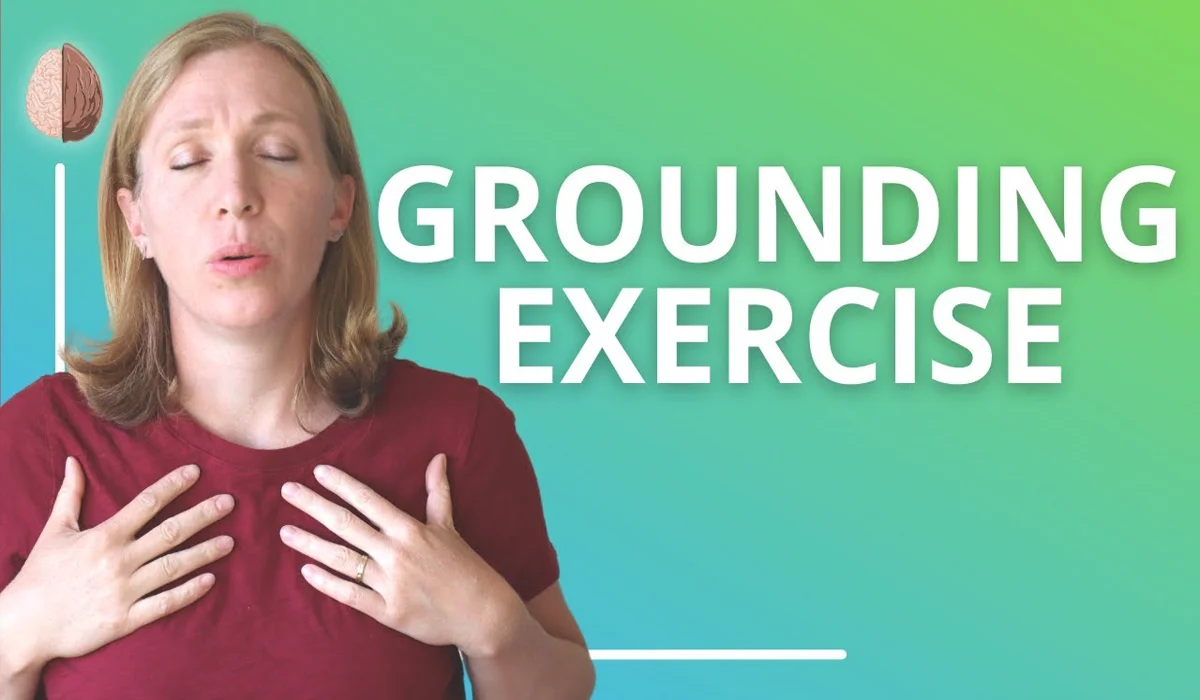
Grounding techniques help connect the mind with the surrounding conditions, thereby reducing anxiety that arises from excessive crowds. This method involves consciously paying attention to tangible things such as sounds, colors, or textures of surrounding objects. This method effectively shifts the focus from excessive thoughts to more stable, direct experiences. With regular practice, this technique can strengthen self-awareness and improve the ability to cope with stress.
Simple grounding practices can have a quick effect in bringing calm to busy and noisy situations. Many people use this method when feeling overwhelmed in public places such as shopping malls or transportation. Consistently applying this technique will help increase mental resilience and significantly strengthen emotional balance in daily life.
Limiting Exposure to Excessive Stimulus
Exposure to loud noises and visual crowds can increase stress, so it is important to consciously and deliberately limit these stimuli. Using aids like earphones or choosing a quieter position helps reduce stress from the environment. This gives the mind a break from the constant distractions. By reducing the intensity of stimuli, the body can adjust and return to a more stable state.
This strategy is effective in maintaining calm, especially in situations that cannot be completely avoided. This regulation also helps improve focus and concentration in important daily activities. With this approach, a person can manage mental energy more efficiently and maintain emotional balance in the long term.
Practicing Self-Awareness Consistently
Self-awareness helps understand one’s emotional state so that one can respond to crowded situations more wisely and with control. This practice involves observing one’s thoughts and feelings without over-judging oneself. By understanding emotional patterns, one can avoid detrimental impulsive reactions.
This practice also helps improve reflection and rational decision-making. In the process, self-awareness plays a crucial role in maintaining composure when facing high levels of social pressure. This practice can be done through daily journaling or short, daily meditations. With consistency, the ability to manage emotions will improve, enabling individuals to better adapt to complex and challenging situations.
Image Source:
First Image from: popupcity.net
Second Image from: www.youtube.com