Empowerment Strategies: Unlocking Human Potential to Inspire Lasting Change

Empowerment is a transformative approach that allows individuals to realize their full potential and contribute meaningfully to society.
By implementing effective empowerment strategies, organizations, communities, and individuals can inspire lasting change that fosters growth, innovation, and resilience. Empowerment focuses on providing the necessary resources, guidance, and autonomy to help people achieve personal and collective goals. The following will THE LUXURY OF A HOME discuss Empowerment Strategies: Unlocking Human Potential to Inspire Lasting Change.
Unlocking human potential requires a careful balance of support and challenge. When people are empowered, they feel motivated to take ownership of their actions, embrace responsibility, and actively participate in problem-solving and decision-making processes. This article explores key strategies to foster empowerment and create a culture of lasting, positive change.
Understanding the Core of Empowerment
Empowerment begins with understanding what it means to provide autonomy, authority, and confidence to individuals. It is not merely giving someone responsibility but also ensuring they have the knowledge, tools, and resources to succeed. Empowered individuals are more likely to develop self-efficacy, a sense of agency, and motivation to pursue goals independently.
Recognizing individual strengths and weaknesses is fundamental in empowerment. Leaders and mentors play a critical role in identifying these traits and creating opportunities that allow individuals to maximize their potential while addressing areas for growth. This understanding fosters an environment where people feel valued and capable.
Building Skills and Capacity
A crucial aspect of empowerment is skill development. Providing training, mentorship, and continuous learning opportunities equips individuals with the capabilities they need to succeed. Skills can range from technical expertise to soft skills like communication, problem-solving, and leadership.
Capacity building also involves creating a safe space for experimentation. Individuals should be encouraged to take risks, make decisions, and learn from failures. This not only enhances confidence but also strengthens the ability to handle challenges and adapt to changing circumstances.
Fostering a Culture of Inclusion
Empowerment thrives in environments that promote inclusivity and equity. When people from diverse backgrounds feel heard, respected, and included, they are more likely to contribute creatively and effectively. Inclusion strengthens collaboration, trust, and innovation.
Organizations and communities should implement policies and practices that ensure all voices are considered. Providing equal access to opportunities, resources, and support helps eliminate barriers and empowers individuals to reach their full potential.
Also Read: How Lifestyle Changes Can Empower Your Everyday Life
Encouraging Autonomy and Decision-Making
Autonomy is a cornerstone of empowerment. Allowing individuals to make decisions about their work, projects, or personal development fosters ownership and accountability. When people feel trusted to make choices, their motivation and engagement increase.
Decision-making opportunities should be structured to provide guidance without micromanagement. Empowered individuals benefit from mentorship and feedback while having the freedom to explore solutions, which strengthens problem-solving skills and builds confidence.
Supporting Motivation and Self-Efficacy
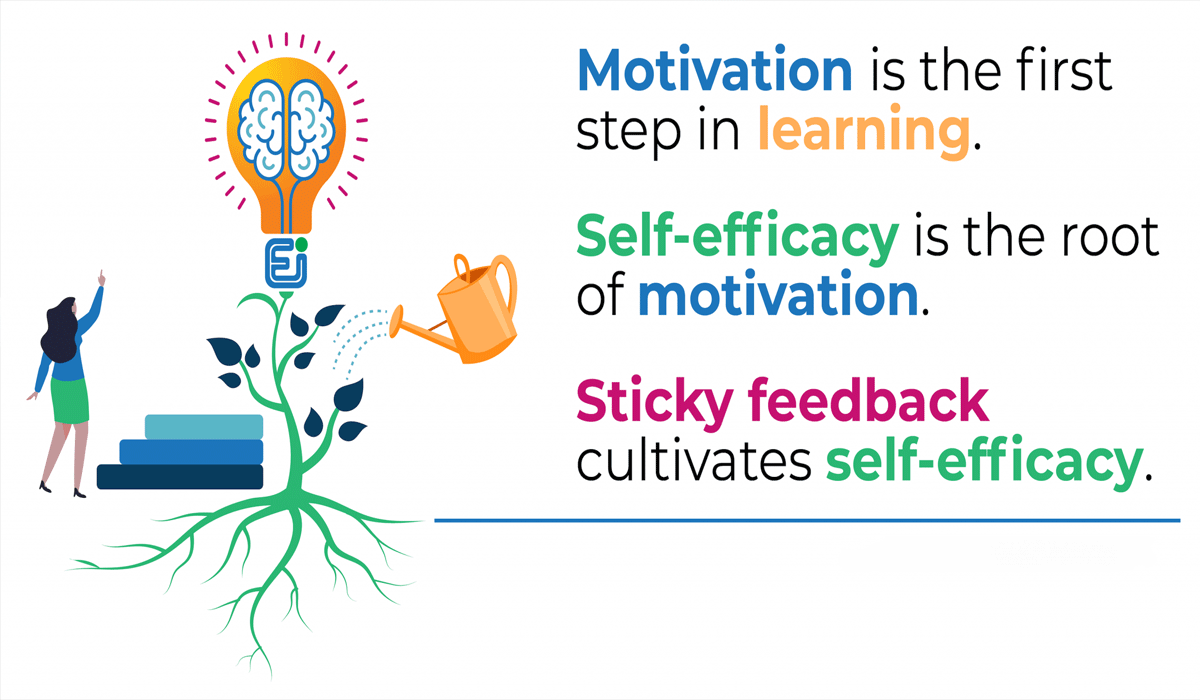
Empowerment strategies are most effective when they enhance intrinsic motivation and self-efficacy. Recognizing achievements, providing constructive feedback, and setting attainable goals inspire individuals to strive for excellence.
Encouraging reflection and self-assessment helps individuals understand their strengths and areas for improvement. Building self-efficacy allows people to tackle challenges confidently, take initiative, and sustain momentum toward personal and collective goals.
Measuring Impact and Sustaining Change
To inspire lasting change, it is essential to evaluate the effectiveness of empowerment strategies. Monitoring progress, collecting feedback, and adjusting approaches based on results ensures continued growth and improvement.
Sustainable empowerment requires ongoing support, adaptability, and reinforcement. Organizations and communities that consistently nurture skills, autonomy, and motivation create a cycle of positive change that benefits both individuals and the larger ecosystem.
Conclusion
Empowerment strategies are essential tools for unlocking human potential and inspiring lasting change. By fostering autonomy, building skills, promoting inclusion, and supporting self-efficacy, individuals and organizations can create environments where people thrive.
Sustainable empowerment not only enhances personal growth but also drives collective innovation, resilience, and success. When human potential is fully realized, lasting change becomes achievable, benefiting communities, organizations, and society as a whole. We hope you enjoyed the information we provided. If you’re interested, please come back for more news about THE LUXURY OF A HOME.
Image Information Source:
- First Image from: www.linkedin.com
- Second Image from: engineerinclusion.com