Fashion Forward: Exploring Style, Trends, and Personal Expression
Fashion is more than clothing it is a powerful form of self-expression that reflects personality, culture, and social trends.
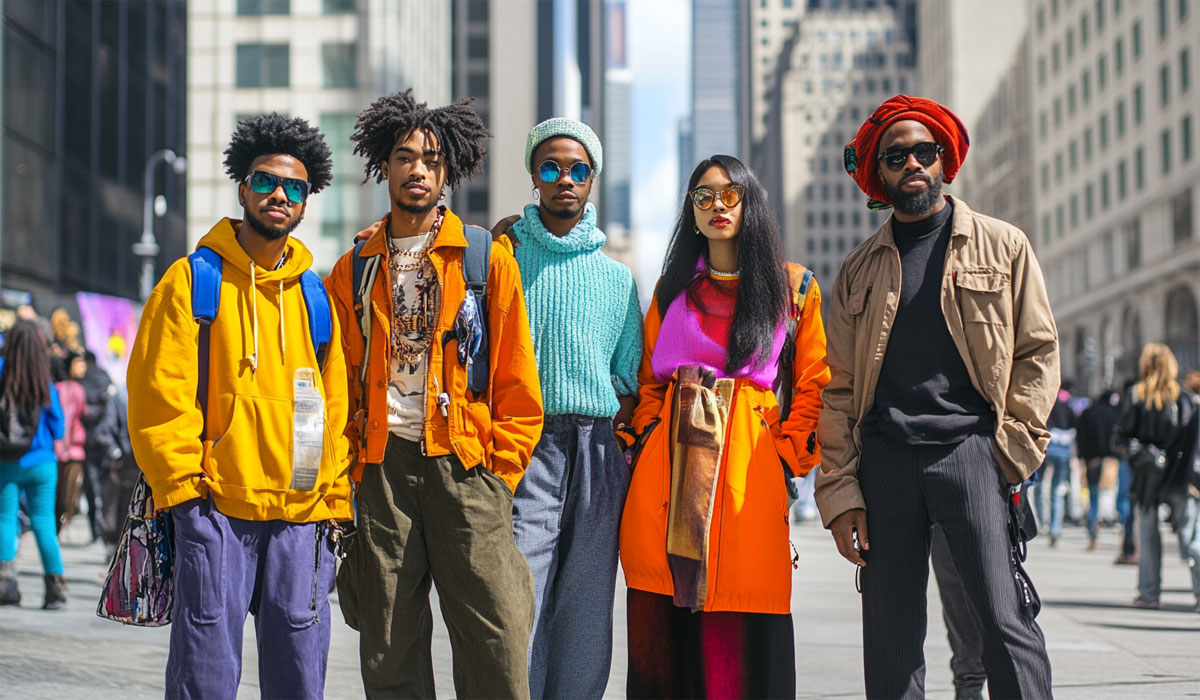
From runway innovations to street style, fashion continually evolves, influencing how individuals present themselves and how society perceives identity. In this article, THE LUXURY OF A HOME will how travel offers much more than simply reaching a destination.
The Evolution of Fashion Trends
Fashion trends are constantly changing, shaped by designers, cultural movements, and social influences. Each season brings new colors, fabrics, and silhouettes that redefine style standards and inspire creativity in personal wardrobes.
Historical influences often resurface in modern fashion. Vintage patterns, classic cuts, and retro accessories are reinvented, blending nostalgia with contemporary aesthetics to create unique, forward-thinking looks.
Technology and social media also accelerate trend cycles. Platforms like Instagram and TikTok enable designers and influencers to share styles instantly, creating global buzz and influencing consumer choices faster than ever before.
Personal Expression Through Style
Fashion allows individuals to communicate their identity without words. Choices in clothing, accessories, and footwear reflect personal tastes, values, and even moods, turning daily attire into a form of storytelling.
Mixing textures, colors, and patterns enables experimentation and creativity. Personal style evolves over time, influenced by experiences, cultural exposure, and lifestyle, making fashion a dynamic, living art form.
Accessories and customization further enhance individuality. Unique jewelry, bespoke garments, and tailored outfits distinguish personal style while allowing self-expression to shine in a crowded and diverse fashion landscape.
Read Also: From Hobby to Luxurious Living: Building Your Dream Home
The Business of Fashion
Fashion is a multi-billion-dollar global industry encompassing design, manufacturing, marketing, and retail. Understanding consumer behavior, brand positioning, and market trends is crucial for business success in this competitive arena.
Sustainability has become a central focus. Ethical sourcing, eco-friendly materials, and fair labor practices are increasingly demanded by consumers, prompting brands to innovate while maintaining profitability.
Marketing strategies in fashion rely heavily on visual storytelling. Campaigns, lookbooks, and digital content showcase collections, evoke emotions, and connect with audiences, demonstrating that creativity and business acumen go hand in hand.
Fashion Innovation and Technology
Technology has transformed how fashion is designed, produced, and consumed. 3D printing, AI-driven design software, and virtual fitting rooms enable designers to experiment and streamline production processes efficiently.
Online shopping platforms and digital showrooms have reshaped consumer engagement. Personalized recommendations, augmented reality try-ons, and influencer collaborations enhance accessibility and create immersive shopping experiences.
Wearable technology and smart fabrics are also emerging trends. From fitness-monitoring clothing to adaptive materials, innovation in fashion merges functionality with style, expanding what it means to dress for the modern world.
Conclusion
Fashion is a dynamic blend of creativity, culture, and business, offering endless opportunities for self-expression and innovation. By understanding trends, embracing personal style, and leveraging technology, individuals and brands alike can navigate the ever-evolving fashion landscape. Whether on the runway, in the streets, or in the digital world, fashion continues to inspire, empower, and transform the way we see ourselves and connect with others.
Image Source:
First Image from morefurniture.id
Second Image from www.idntimes.com