Wellness Unlocked: A Complete Guide to Mind, Body, and Lifestyle Balance
Wellness is more than just physical health; it is a holistic approach to living that integrates the mind, body, and lifestyle choices.
Achieving wellness requires balance, intention, and consistent effort, making it a lifelong journey rather than a one-time goal. Thru in article, THE LUXURY OF A HOME will provides a complete guide to a full-body home workout that only uses your body weight.
Understanding the Dimensions of Wellness
Wellness encompasses multiple dimensions, each contributing to overall health and well-being. Physical wellness focuses on maintaining a healthy body through exercise, proper nutrition, and adequate rest. Regular physical activity strengthens the heart, muscles, and immune system while also improving mood and energy levels.
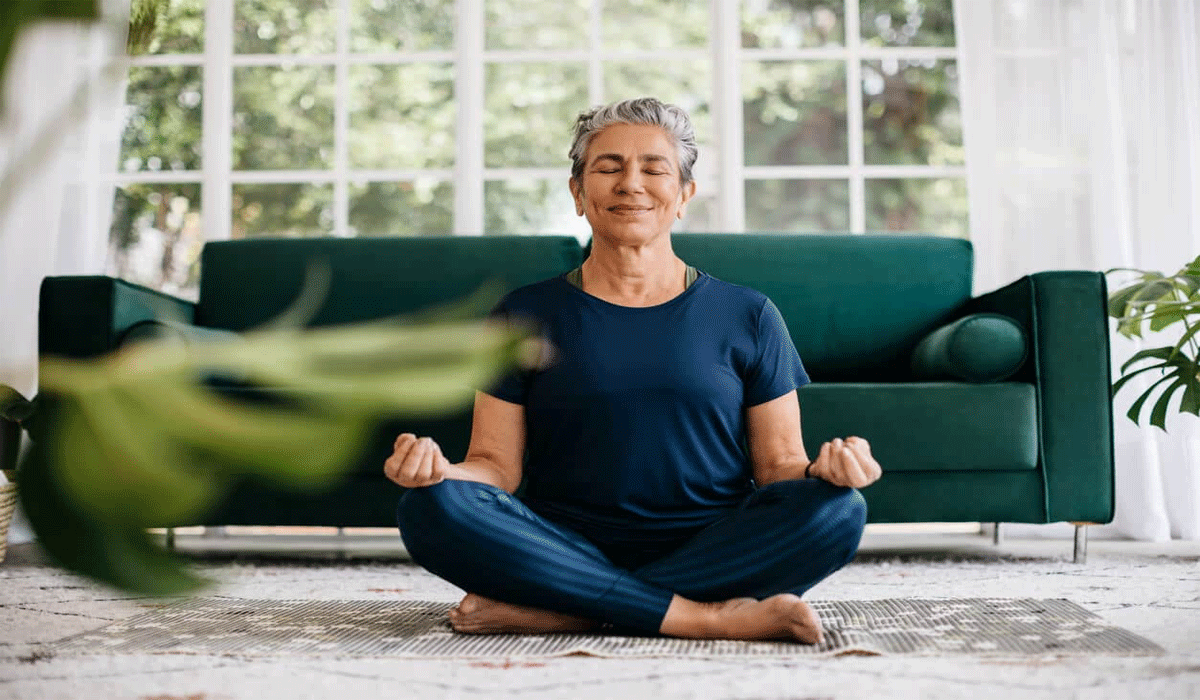
Mental and emotional wellness is equally important. It involves managing stress, cultivating positive thinking, and developing resilience to life’s challenges. Practices such as mindfulness, meditation, and journaling can help regulate emotions, improve focus, and promote a sense of inner calm.
Social and environmental wellness also play a significant role. Healthy relationships, community engagement, and a supportive environment contribute to emotional stability and life satisfaction. Being mindful of surroundings and cultivating meaningful connections can enhance one’s overall quality of life.
Nutrition and Physical Health
Nutrition is a cornerstone of wellness. A balanced diet rich in fruits, vegetables, whole grains, and lean proteins provides the energy and nutrients necessary for optimal bodily function. Staying hydrated and moderating sugar, salt, and processed foods supports long-term health and prevents chronic conditions.
Exercise complements nutrition by enhancing physical fitness and vitality. Cardiovascular activities, strength training, and flexibility exercises help maintain a healthy weight, improve posture, and reduce the risk of illness. Even simple routines like walking, stretching, or yoga can have significant health benefits when practiced consistently.
Rest and recovery are essential components often overlooked. Sleep allows the body to repair and recharge, while relaxation techniques reduce stress and prevent burnout. Prioritizing rest alongside nutrition and exercise creates a strong foundation for sustained wellness.
Read Also: How Creative Visuals Shape Advertising Performance
Mental and Emotional Wellness Strategies
Mental wellness requires intentional practices that strengthen the mind and foster emotional resilience. Meditation, deep-breathing exercises, and mindfulness techniques reduce anxiety, enhance concentration, and promote a calm state of mind. Consistent practice can improve decision-making, creativity, and emotional stability.
Positive social interactions contribute significantly to emotional health. Building supportive relationships and engaging in meaningful conversations provide a sense of belonging and purpose. Surrounding oneself with encouraging individuals can reduce stress and reinforce healthy coping mechanisms.
Developing emotional intelligence is another effective strategy. Recognizing and managing emotions, empathizing with others, and adapting to change improves relationships and personal growth. These skills not only enhance mental wellness but also positively impact professional and personal life.
Lifestyle Habits for Long-Term Wellness
Lifestyle choices have a profound impact on long-term wellness. Avoiding harmful habits such as smoking, excessive alcohol consumption, or sedentary behavior is critical. Instead, cultivating routines that prioritize health, balance, and sustainability ensures lasting well-being.
Incorporating hobbies and leisure activities into daily life supports both mental and physical wellness. Engaging in creative outlets, sports, or volunteer work adds joy, reduces stress, and strengthens cognitive function. A well-rounded lifestyle fosters satisfaction and a sense of purpose.
Time management and self-care are also essential components. Setting boundaries, planning daily routines, and taking time for relaxation prevents burnout and maintains energy levels. Consistently practicing self-care reinforces the connection between mind and body, promoting overall wellness.
Conclusion
Wellness is a comprehensive journey that requires attention to the mind, body, and lifestyle. By understanding its dimensions, maintaining proper nutrition and physical health, cultivating mental and emotional resilience, and making intentional lifestyle choices, individuals can achieve balance and vitality. Embracing wellness as a continuous process empowers individuals to live more fulfilling, energized, and harmonious lives, unlocking their full potential in all areas of life.
Image Source:
- First Image from muscleandfitness.com
- Second Image from 28bysamwood.com